Rural Crime Watch
The Cochrane Foothills Protective Association is a non-profit organization dedicated to building safer rural communities. We foster our goals through active participation and vigilance. We help prevent crime by bringing residents together, sharing critical information, and supporting local law enforcement. Through awareness, alertness, and collaboration, we help protect what matters most – your family and your home. Join us in making your community a safer place for everyone.

-
Cochrane RCMP – Introduces Safe Exchange Zone
Cochrane, Alta. – In an effort to enhance public safety and provide a secure location for community members to conduct in-person transactions, Cochrane RCMP, Municipal Enforcement and the Town of Cochrane is pleased to announce the establishment of a Safe Exchange Zone in our parking lot.
The Safe Exchange Zone is a designated parking spot located at the Cochrane Protective Services building parking lot, at 12 Clydesdale Avenue, Cochrane. This initiative aims to provide a secure environment for residents to conduct online transactions, child custody exchanges, and any other lawful transactions that require a safe meeting place. The Safe Exchange Zone provides a neutral, well-lit location for residents to conduct transactions without fear of potential criminal activity.
The designated area will be marked with signage indicating its purpose as a Safe Exchange Zone. It is available to the public 24 hours a day, seven days a week. Cochrane RCMP encourages residents to take advantage of this resource to ensure their safety during in-person transactions.
The Cochrane Protective Services building office hours are Monday to Friday, from 8:30 a.m. to 4:30 p.m. Outside of office hours, there is a telephone at the front door to contact emergency support if need.
“A Safe Exchange Zone is a designated area directly outside detachment buildings where members of the public can meet and conclude exchanges or transactions within view of police resources”, says Cst. Clayton GELINAS.
-30-
Cst. Clayton GELINAS
Cochrane RCMP Media Liaison
403-497-5557
-
"How do I report suspicious activity?" How you report suspicious activity is changing. If you see anything suspicious and a crime is not currently in progress, you now will have to call 1-833-547-RAVE. 📱 CALL 1-833-547-RAVE Your call will go directly to a central dispatch, ensuring a swift and effective response from the local RCMP detachment. Examples of suspicious activity include:
• Someone looking into vehicles or homes or testing to see if they are unlocked
• An unrecognized vehicle driving back and forth
• Signs of intimate partner violence
• Yelling or screaming
• Threats of committing a crime
• Someone being forced into a vehicle
• The sound of breaking glass
• Items in unusual places (ie. an unattended car parked in the same place over a period of time)
-
Looking at crime reports, it becomes clear that vehicle theft is a concern in Alberta. According to the RCMP, in 2023, there were over 8,710 reported cases of stolen vehicles in the province. This is a concern for our community, as we are at risk of losing our personal property, which poses a safety threat.
What makes it more concerning is how technology is changing how criminals steal vehicles. Thieves have found a way to hack into electronic systems, bypass security measures and gain entry to trucks and cars. Even if we keep our vehicles locked, we are not entirely safe from theft.
Alberta Provincial Rural Crime Watch is sharing information on these new vehicle theft tactics and how you can prevent them.
New Tactics Used by Modern Vehicle Thieves
Relay Attacks
Your vehicle’s key fob constantly emits a proximity signal. Criminals can easily access portable technology to copy that fob signal and transmit a duplicated signal to unlock your vehicle. This technique is referred to as a relay attack.
Once inside your unlocked vehicle, depending on its make and model, they may be able to start the vehicle and drive away.
Reprogramming Theft
Another new tactic is called reprogramming theft. In this case, the criminals break into the vehicle and plug into the onboard diagnostic port, which every car is legally mandated to have and is located underneath the steering wheel. It monitors emissions, mileage, speed and other data about your car and allows a mechanic to check for any problems. Many of us may not be aware that our vehicles have diagnostic ports, but thieves do.
Criminals plug into that same port and download a digital key. They can then use that key to start the vehicle and steal it.
CAN Injection Attack
Criminals can attempt to access your vehicle's Controller Area Network through its smart headlamp wiring in a "CAN bus" or "CAN injection" attack. This type of attack involves manipulating the car or truck's communication network by spoofing and introducing counterfeit messages to trick the security system into unlocking the vehicle. This tactic can pose a significant security risk to newer vehicles.
Identity Theft
A thief can obtain personal information through various means, such as online data breaches or social engineering tactics. Armed with this information, they can forge documents and assume your identity.
They can request duplicate keys from manufacturers or dealerships using your personal information, including address and vehicle details. They are granted easy access to your vehicle without triggering alarms or suspicion.
Trends in Stolen Vehicle Disposal
So, what happens to your vehicle after it is stolen?
80% of stolen vehicles in Alberta are recovered, so most of these trucks and cars are likely used to commit other crimes.
However, those vehicles that are not recovered are being sold off, whether in parts or as a whole. Criminals are stealing vehicles and stripping them to sell the parts. Tires, hubcaps, and wheels are the most common parts stripped from vehicles and resold. Criminals can also take tailgates, batteries, catalytic converters, and airbags from your stolen vehicle.
Your vehicle can also be resold in less savoury markets or to unsuspecting second-hand vehicle buyers.
You should also remember that criminals are not just breaking into your car or truck to steal the vehicle but also looking to take its contents. They can steal personal information such as your insurance and registration papers.
Thieves can create counterfeit registration papers or title documents using stolen identity details. This allows them to sell stolen vehicles more convincingly or bypass security checks during vehicle transfers.
Vehicle Theft Prevention Tips
Even though vehicle theft tactics are advancing, prevention methods are keeping up. There are ways to keep your property safe from diagnostic port thefts, relay attacks and other tactics.
To prevent a relay attack:
- Use a steering wheel locking device
- Use Faraday key pouches to block the remote key signal
- Store your keys away from the front door
To prevent a diagnostic port theft:
- Keep your vehicle locked
- Use a steering wheel lock
- Invest in a diagnostic port lock
You can also use anti-theft devices like GPS trackers and immobilizer systems.
How to Report a Vehicle Theft
Before you report a theft, ensure that your vehicle has actually been stolen. Sometimes, we forget that we parked our vehicles in a different location or agreed to have someone borrow our car or truck. There is also a chance that your vehicle was towed.
Once you have confirmed that your vehicle was stolen, you should first contact your local police detachment’s non-emergency line to start the process of filing a report. Criminals move very fast to strip your vehicle of parts or sell it off. Making a report quickly is important as it increases the chances of recovering your vehicle and minimizing potential damages.
After contacting the police, you should contact your insurance company and confirm that you are covered for vehicle theft under your policy. To file a claim, you will likely need to provide your insurance company with the same information you provided the police.
After following these steps, hopefully, your vehicle will be returned to you in the best condition possible.
As criminals develop new technologies and tactics to steal vehicles, vehicle owners must stay informed and use prevention methods to stop thieves. From relay attacks to reprogramming theft and CAN injection attacks, we have to be aware of the techniques used by modern thieves.
Together, we can prevent vehicle theft and ensure the safety and security of our vehicles and belongings.
-
Our loved ones lived full lives before their passing, and we want to share that life, whether it was their parents’ names, where they worked for 40 years or their beloved pet. While obituaries are a way to send off our loved ones and inform our communities of a loss, criminals also use the information in these articles to commit fraud. The Alberta Provincial Crime Watch Association and our crime prevention partners want to help you give your friends and family a proper send-off that will also keep their information and you safe from scammers. Obituary scams involve exploiting details from obituaries to target grieving families or friends. Scammers typically take facts from public obituaries, such as the names and relationships of the deceased and birthdates, and then form their scam. Scammers may contact individuals through email, phone calls, or even in person, claiming to have a connection to the deceased and fabricating urgent situations that require financial assistance. This is a growing concern, especially with obituaries moving online. It’s no longer the criminal down the street that you have to worry about seeing an obituary in the local newspaper; scam artists worldwide have access to this information online. These scams can also include fake charity requests, false debt collection, or phishing attempts. It's important to exercise caution and verify any unexpected requests or communications, especially during vulnerable times such as mourning a loss. Criminals can also commit fraud by using the deceased information. If they can find personal details about the deceased, they can use the information to commit identity fraud, such as opening credit cards, renting vehicles or residences, or opening telephone accounts. To find a target, scammers crawl obituaries listed in local newspapers, funeral homes, and other online platforms. Information from obituaries can be used to create accounts and answer security questions. While we want to share everything that made our loved ones great, you could put your family and friends in a serious situation. Here is a list of information that scammers can use that is commonly found in obituaries: Full legal name, Nickname, Birthdate and death date, Birthplace, Place of residence at death, Name of significant other, Full names of parents and siblings, Date and time of funeral services, Names of pallbearers, Name of funeral home and cemetery, Childhood & Education, Children & Grandchildren, Employment, Extra-curricular activities, Retirement, Home life, Special pets. When writing an obituary, you should exercise caution and avoid providing unnecessary personal details. Don’t include the both deceased’s day and month of birth, employment history, or home address. You should also be careful about including the information mentioned above. Scammers can use this information to impersonate the deceased and commit fraud. This way, you can significantly reduce the risk of falling victim to obituary scams. In the digital age, you must be vigilant and report any suspicious activity related to your loved ones. If you come across a potentially fraudulent obituary or notice unauthorized use of personal information, report it to local law enforcement or online platforms hosting the obituary. Timely reporting can help authorities act quickly to investigate and prevent further damage. If you are acting as an executor for an estate, take these extra steps to secure the deceased's information: Alert credit bureaus to place a flag on the deceased’s profile as soon as possible. Alert the Canada Revenue Agency (CRA) and Service Canada so they can place a flag on the deceased’s social insurance number and CRA account. Inform the deceased’s financial institutions and the utility providers, including cell phone providers. Monitor their bank and utility account activity until they are closed. While we try to honour and remember our loved ones, we share their lives through obituaries, which have evolved from local newspapers to digital platforms. However, criminals exploit the personal details we willingly provide in these tributes, putting us at risk of fraud. The Alberta Provincial Crime Watch Association and our crime prevention partners want to ensure that your friends and family are not targeted by scammers. Obituary scams have become a global concern as criminals gather information from online obituaries to impersonate family members or steal the identity of the deceased to open accounts or steal money. Together, we can help these tributes remain sincere and the memories of our loved ones are honoured without having to worry about fraud.
-
On February 28, 2024, Red Deer RCMP issued a warning regarding the rising threat of smart key emulators in vehicle thefts. A Smart Key Emulator is a device that can create a key for specific car models without needing the original smart key. Once activated, these devices can unlock doors, open trunks, and start engines indefinitely, essentially taking over the original smart key's functions. This alarming trend highlights the importance of staying vigilant in protecting your vehicle. To safeguard against Key Fob Emulator (Relay Attacks), it's crucial to follow several preventive measures: avoid leaving valuables in your car, park in closed garages, use steering wheel locks, install surveillance cameras, and store key fobs in metal containers or RFID pouches to block radio signals. Remember, thieves may return to steal replacement vehicles, so remain proactive in protecting your property.
-
Ever wanted to help keep your community safe but didn't know how to get involved? Alberta RCMP is excited to expand their new video surveillance registration program across the province! This initiative encourages residents to register their security cameras with local law enforcement, allowing them to access crucial footage in case of incidents in the neighborhood. Together, we can enhance public safety and deter criminal activity. By participating in the Capture Program, you will play a vital role in fostering a safer environment for everyone. Your contribution strengthens our collective vigilance and helps law enforcement respond more effectively to crime. Join us in making our communities safer by signing up today!
-
We are thrilled to announce the expansion of the RAVE Program, a web-based communication platform designed to keep our communities in Alberta informed and safe. This system enables RCMP officers to send real-time alerts directly to community members, ensuring you are always aware of important updates and safety information. Alerts can be received via your preferred method: email, text message, or phone call, putting you in control of how you stay informed. With the expansion of the RAVE Program, we aim to enhance community engagement and awareness, empowering residents to stay vigilant and connected. This initiative reflects our commitment to fostering safer communities through timely communication and collaboration with law enforcement. Join us in embracing this valuable resource and stay tuned for more updates on how you can participate!
-
By August of this year, the RCMP had responded to approximately 4,500 reports of thefts from vehicles and around 5,000 stolen vehicles in Alberta. Alarmingly, 40% of these stolen vehicles had their keys inside or easily accessible, making these thefts a crime of opportunity. Awareness initiatives like Lock It or Lose It are vital in preventing crime in rural Alberta, particularly motor vehicle thefts. Join us in spreading the word and keeping our communities safe!


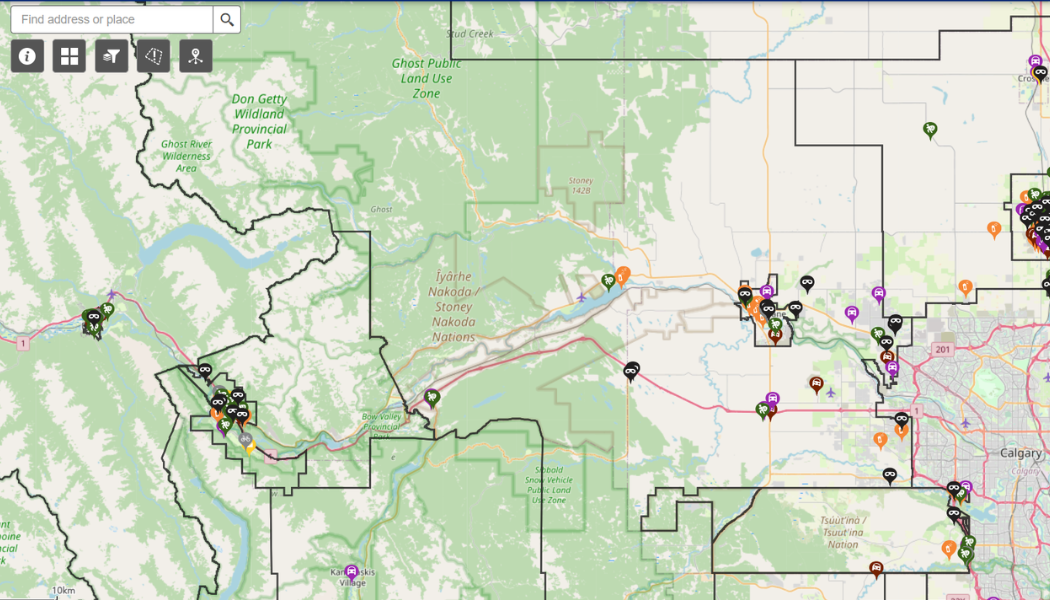
Thanks to the support of our generous sponsors, CFPA is pleased to provide free memberships to our members.